xxx
A cash machine has been stolen from the main arena area at the T in the Park festival.
From Cash machine stolen from main arena of T in the Park site
My son went to this pop festival, as I believe they are known, last year. I armed him with Barclaycard bPay wristband to pay for essentials whilst bopping along to the variety of popular beat combos on show. This turned out to be completely pointless because a) no-one of the stall look cards, let along contactless and b) he lost the wristband on the first day. I’ve written before about cashlessnees in these environments (e.g., my expedition to the Roskilde Festival in Denmark) and I don’t want to go over old ground again, but the advantages of getting cash out of these environments are many and varied.
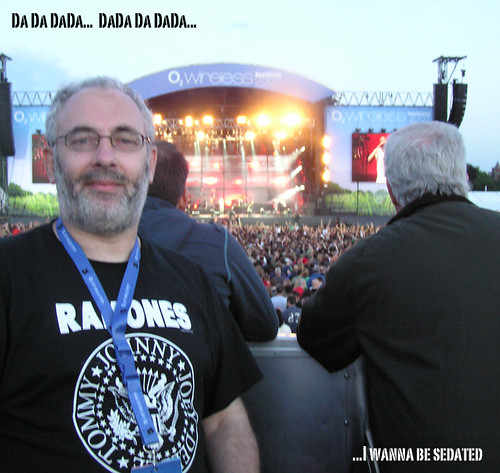
I have been to many of these “festivals” myself
They should ban cash completely from this sort of event. It is nothing but trouble. From tax-evading criminal gangs running some of the pitches to thefts and losses, to massive queues for ATMs, it is a hassle from beginning to end. The only reason to take cash to pop festivals, at least as far as I can recall, was to buy drugs.
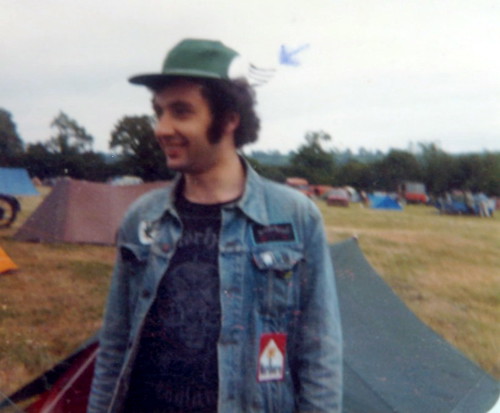
We didn’t have mobile payments in my day
Nowadays the kids have Venmo and PingIt and debit cards and iZettle and what not so there’s no need to put them in the vulnerable position of carrying cash. Perhaps the Scottish authorities should step in and follow the trail blazed in Ohio. Since banks and card companies won’t provide a convenient and safe alternative to cash for the purchase of mind-altering chemicals other than alcohol and Night Nurse, the state should.
Ohio's new medical marijuana law proposes a new way around the bank problem. The law allows state officials to set up a "closed loop" payment processing system, similar to prepaid debit and gift cards.
From Cashless payment system proposed for Ohio medical marijuana program | cleveland.com
There was a very good edition of “In Business” on the BBC recently where Peter Day visited Colorado and noted the problems associate with the use of cash (“armoured cars full of cash a common sight”). This is all because of the bizarre situation in the US where marijuana is legal in some states but you can’t use electronic payments to buy it.
Comments
Post a Comment